

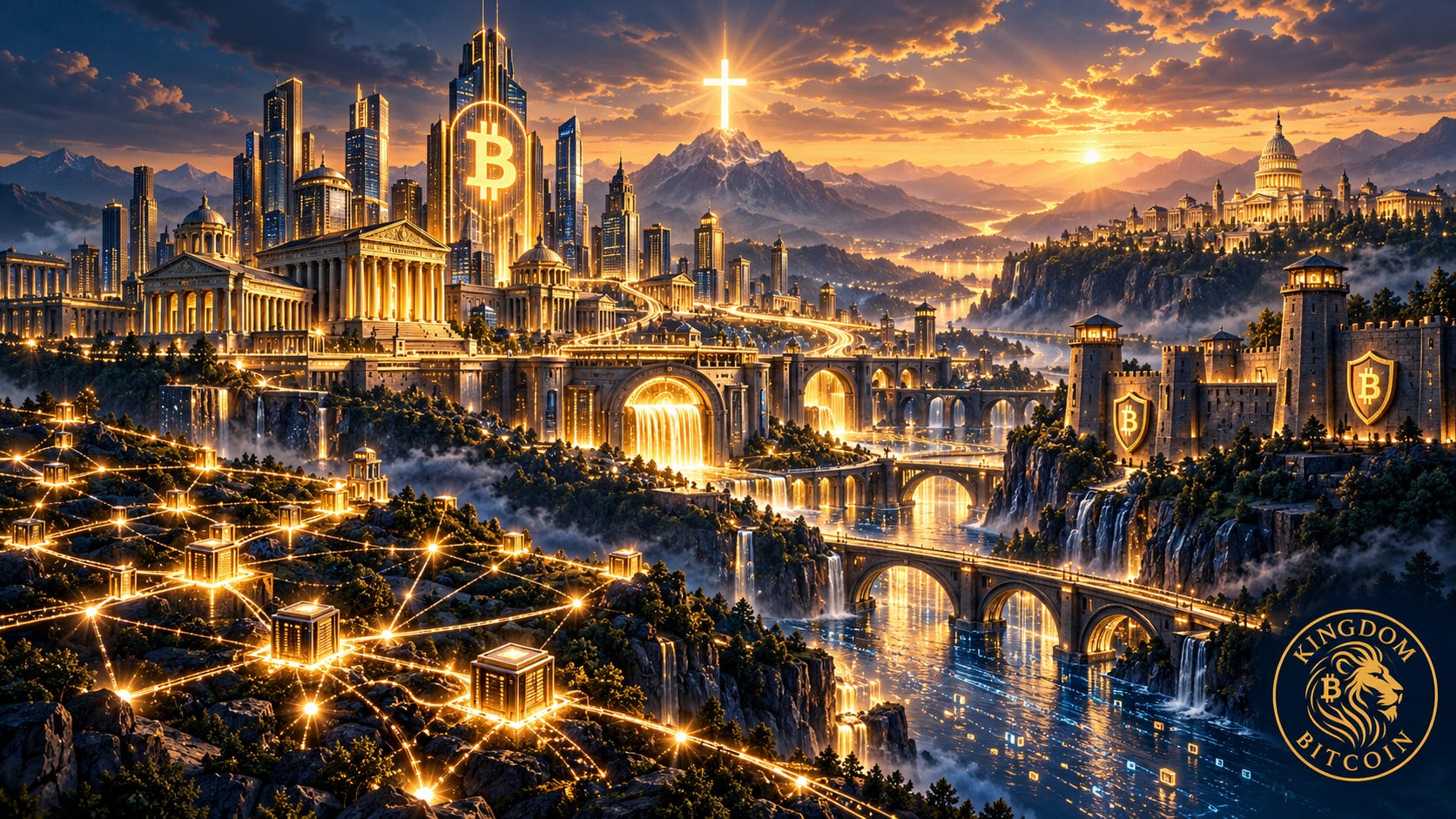
Thanksgiving is approaching, and someone at the table will eventually ask the question: “So what actually happened with Bitcoin this year?” The easy answer would be a price chart. The better answer is that Bitcoin spent 2026 becoming more deeply woven into the world’s financial infrastructure while exposing every place where trust, responsibility, and power still matter. The protocol kept working. Everything built around it was tested.
The builders never left. Wallet teams improved recovery, privacy, multisignature policies, and inheritance tools. Lightning, Square, Ark, Spark, and other payment systems kept pushing Bitcoin toward everyday usefulness. Mining power remained extraordinary even as miner economics tightened and transaction fees contributed very little to security revenue. A busier network did not always mean more individual users, which is exactly why serious analysis must separate activity from adoption.
Wall Street also entered the room in force. ETFs, brokerage platforms, banks, custodians, futures markets, and options desks made Bitcoin easier to access than ever. But access is not ownership. A fund share, a treasury-company stock, a futures contract, and directly held bitcoin are four different things with different rights, risks, and responsibilities. Institutional adoption did not eliminate trust. It relocated it.
Then Bitcoin became collateral. Treasury companies issued equity, debt, preferred shares, and new forms of digital credit. Households and companies borrowed dollars against bitcoin rather than selling it. That created flexibility, but it also reintroduced margin calls, liquidation risk, custody exposure, and refinancing obligations. Bitcoin may be scarce, but promises written against Bitcoin are not.
Security became the year’s hardest lesson. Governance disputes showed that no developer, miner, node operator, exchange, or custodian controls Bitcoin alone. Quantum research made long-term migration questions more urgent, while wallet failures, compromised devices, exchange breaches, and physical attacks reminded us that the protocol can remain secure while the systems surrounding it fail. Self-custody is not a slogan. It is an operational responsibility.
Governments spent the year rewriting the boundaries. The United States moved unevenly, while Europe, the United Kingdom, Japan, Hong Kong, and other jurisdictions advanced clearer frameworks. Most government-held bitcoin still came from seizures or mining rather than deliberate reserve purchases. The sovereign story was therefore less about central banks racing to buy and more about governments deciding how citizens, banks, and businesses would be permitted to participate.
For the household, the assignment is wonderfully practical. Know what you own, who holds the keys, where the debt sits, how recovery works, and what your spouse would do if you were unavailable tomorrow. Do not confuse convenience with safety, complexity with wisdom, or institutional scale with moral authority. The goal is not to master every protocol before Thanksgiving; it is to understand enough to ask better questions and refuse any blind trust.
First Thessalonians 5:21 says, “Test everything; hold fast what is good.” That may be the verse for Bitcoin in 2026. Test the wallet. Test the institution. Test the loan. Test the claim. Test the regulation. Bitcoin is maturing, but maturity is not measured by how many powerful names enter the room. It is measured by whether the architecture being built around Bitcoin becomes worthy of the trust it asks us to give.
Kingdom Principle 👑
Maturity is not the absence of risk. It is the ability to locate responsibility before the risk becomes a crisis.
Bitcoin’s protocol continued doing what it was designed to do. The greater uncertainty appeared in the human architecture surrounding it: institutions, loans, custodians, devices, regulations, and governments. That is where discernment matters most.
Jesus remains above the protocol and every structure built around it. The Holy Spirit gives us the wisdom to test claims, recognize hidden risks, accept responsibility, and use technology without allowing technology to become our master.
Prayer 🙏
Heavenly Father, thank You for the builders, institutions, families, and leaders working to make Bitcoin more useful, secure, and understandable. Give them honesty when systems fail, humility when risks are uncertain, and wisdom when new opportunities create new responsibilities.
Holy Spirit, teach us to test everything and hold fast to what is good. Help our households understand what we own, where trust resides, and how to prepare faithfully for those who come after us. Keep Jesus Christ above Bitcoin, markets, institutions, governments, and every technology humanity creates. In Jesus’ name, Amen. 🙏📖🏗️🏦⚖️🔐🌍🏠₿🕊️👑