

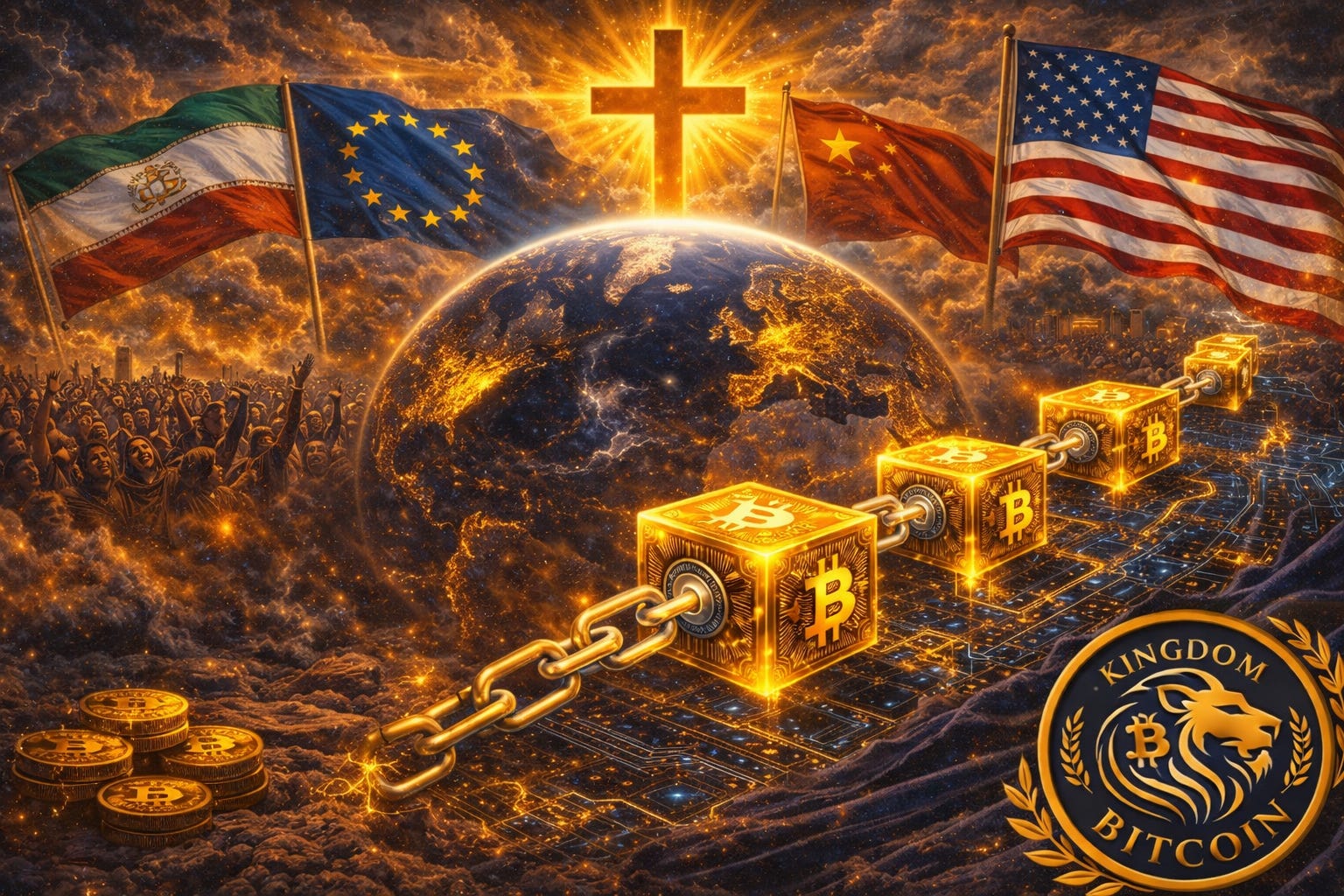
GDP measures output. Energy measures permission.
On paper, Europe appears unassailable.
Its combined economy ranks among the largest in the world. By nominal GDP, the European Union ($20 Trillion) dwarfs Russia ($2 Trillion) several times over. Spreadsheet analysis would suggest overwhelming leverage.
But geopolitics does not obey spreadsheets.
GDP measures production. Energy measures whether production is affordable, scalable, and sustainable. GDP measures activity. Energy determines permission.
When Russian pipeline gas flowed steadily into Europe, the arrangement appeared efficient. Cheap energy supported industrial competitiveness, stabilized electricity markets, and heated millions of homes. Dependency felt like interdependence.
It was exposure.
When flows constricted, Europe did not lose its GDP overnight. It lost flexibility. Prices surged. Inflation accelerated. Central banks faced tightening dilemmas. Governments expanded subsidies. Fiscal pressure mounted.
Europe discovered in real time that economic size without energy sovereignty is leverage without oxygen.
Energy determines inflation bandwidth.
This is not rhetoric. It is arithmetic. When energy costs rise, transportation costs rise. When transportation rises, food costs rise. When electricity rises, manufacturing margins compress. Governments respond with spending to cushion households and industry. That spending must be financed.
Wars are funded through taxes, debt, or inflation.
Modern democracies prefer debt and inflation because they distribute the cost invisibly across time. Defense commitments expand. Energy subsidies multiply. Debt issuance grows. Liquidity accommodates.
Inflation is often geopolitical output disguised as monetary policy.
Haggai once described a people who earned wages only to place them into a purse with holes. It was a warning about misplaced priorities and neglected foundations. Inflation behaves the same way. Nominal wages may rise. Nominal output may expand. Yet purchasing power quietly leaks.
Civilizations rarely collapse because they lack intelligence. They collapse because they ignore limits.
Europe responded seriously. LNG imports expanded. Infrastructure diversified. Russian export volumes redirected toward Asian buyers. Energy markets rebalanced at higher cost. The system adjusted.
But the revelation remains. GDP does not secure sovereignty. Energy flow does.
A nation with smaller output but reliable energy leverage can exert disproportionate influence. A larger economy dependent on external inputs negotiates from constraint. This is not ideology. It is resource realism.
Energy is civilizational stability. This is where the monetary layer intersects with physics.
For decades, major currencies floated untethered from physical constraint. Monetary expansion became a policy lever. In times of crisis, liquidity could be increased without immediate visible sacrifice. Expansion felt painless.
Until credibility tightened.
Bitcoin reintroduces a boundary that industrial society quietly removed when it severed money from measurable constraint.
Proof of work binds issuance to electricity expenditure. Monetary expansion cannot occur because budgets strain or political urgency rises. It requires energy. It requires hardware. It requires competition inside a transparent difficulty system.
Energy in. Monetary finality out. This does not eliminate volatility. It eliminates discretionary supply expansion.
That distinction matters most when geopolitical stress increases fiscal temptation. When energy shocks raise deficits and defense commitments rise, expansion is easier than restraint. Inflation is easier than taxation. Debt is easier than austerity.
Bitcoin does not govern Europe. It does not replace the euro. It does not settle LNG contracts. It governs issuance rules. It competes at the margin where trust in discretionary expansion erodes.
Proverbs advises, “Be sure you know the condition of your flocks.” Ancient agrarian wisdom. Modern energy wisdom. Know your inputs. Know your dependencies. Know the foundations beneath your output.
Stewardship precedes stability.
Europe’s experience reveals a larger truth. Strength is not measured by size alone. It is measured by resilience under stress. It is measured by whether systems embed limits before crisis exposes fragility.
Energy exposes illusions. Monetary systems that ignore constraint eventually discover it. Durability belongs to architectures that respect limits before they are forced upon them.
Measured. Realistic. Anchored.
Prayer 🙏⚡🕊️
Dear Father,
You are the source of all provision and all restraint. Teach nations to steward energy wisely and currencies honestly. Guard families from the quiet erosion of inflation and the fear that scarcity can bring.
Give leaders humility to recognize limits before crisis enforces them. May we pursue resilience over rhetoric and stewardship over excess.
Anchor our trust not in GDP tables or energy markets, but in Christ, who sustains all things.
In Jesus’ name, Amen. ⚡🙏🕊️