

Something historic happened in 2025.
Bitcoin crossed a line. Not a price line, but a narrative line.
For more than a decade, bitcoin lived on the margins. Too volatile. Too strange. Too internet-native to be taken seriously by nation-states. It was tolerated, debated, and occasionally mocked. Many governments watched from a distance, unsure whether it was a threat, a toy, or a passing experiment.
Then the United States did something that changed the conversation. It named bitcoin a strategic asset. A store of value. Digital gold.
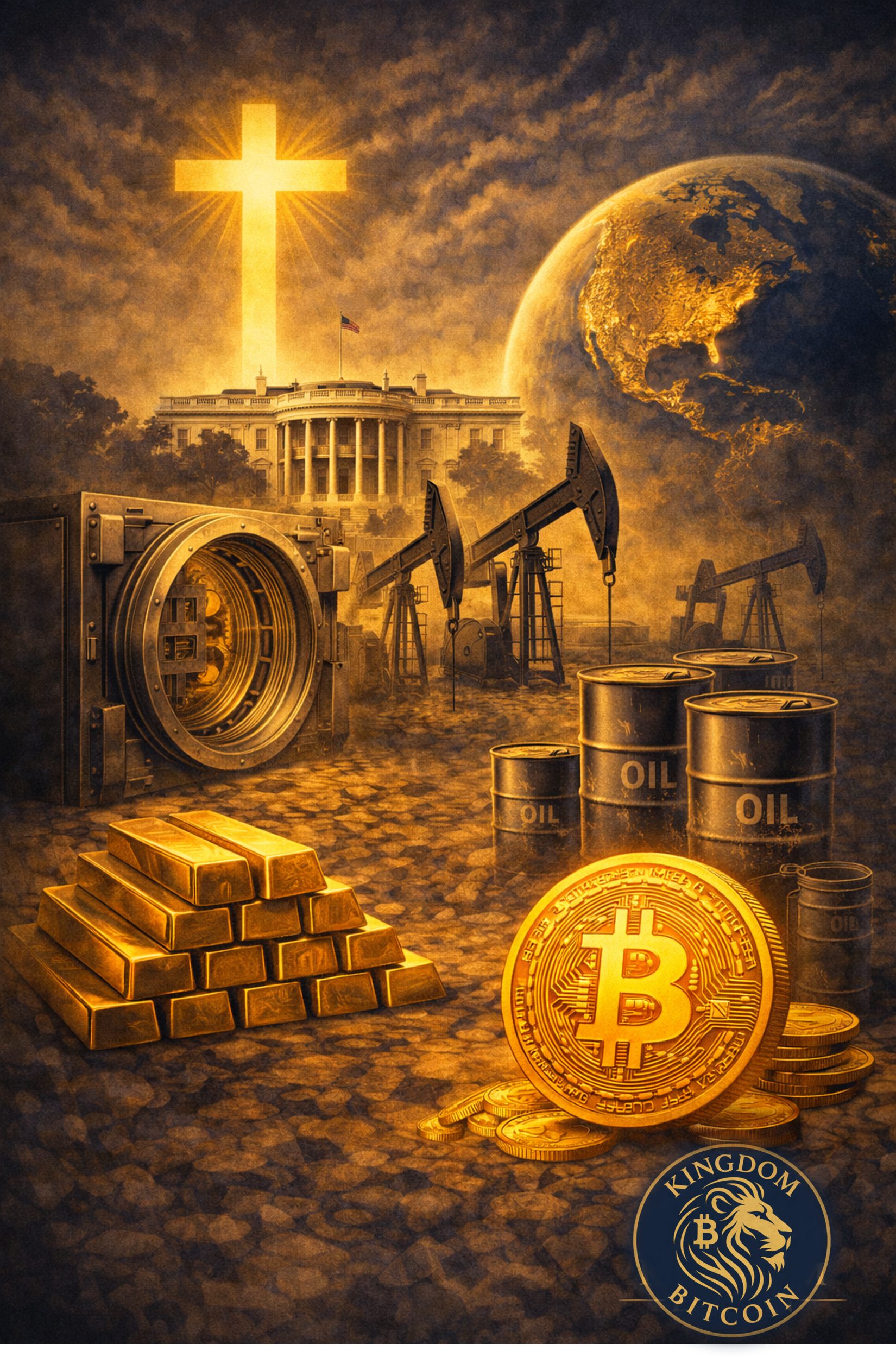
When the White House speaks in those terms, the world listens. This was not a marketing moment. It was a signal. Governments do not create strategic reserves for trends. They do it for endurance. gold, oil, grain. Assets meant to survive wars, cycles, possible debt retirement, and political transitions.
Bitcoin just joined that category.
Scripture anticipated this long before policy papers existed.
“Precious treasure and oil are in a wise man’s dwelling.”
- Proverbs 21:20
Wise systems store value. Foolish ones consume it.
This moment matters not only because the U.S. acted, but because it validated what many nations already understood. The United States did not invent this idea. It finally acknowledged it.
Several countries grasped bitcoin earlier, not out of ideology, but out of necessity.
El Salvador approached bitcoin as financial infrastructure. A way to reduce remittance costs, expand access, and offer an alternative to a dollar system that often served others better than its own people.
Bhutan quietly mined bitcoin using surplus hydroelectric power. Not as a gamble, but as stewardship. Natural resources converted into long-term, portable value.
Nigeria adopted bitcoin from the bottom up. Citizens turned to it to protect themselves from currency debasement and capital controls, long before formal policy caught up.
United Arab Emirates treated bitcoin as strategic infrastructure. A clear signal to capital and talent that innovation, discipline, and the future are welcome here.
Singapore approached bitcoin with clarity and restraint. No hype. No fear. A framework that distinguished speculation from long-term value.
Each of these nations asked a different question than the United States did for years.
Not “Is bitcoin risky?”
But “What risk are we already living with?”
Inflation. Currency fragility. Restricted access. Dependence on systems they do not control.
Bitcoin was not rebellion. It was repentance.
Jesus speaks directly to this dynamic.
“Where your treasure is, there your heart will be also.”
- Matthew 6:21
Treasury choices reveal belief systems. National reserves reveal national priorities.
The U.S. calling bitcoin “digital gold” is not about price appreciation. It is about acknowledgment. A recognition that in a world of expanding debt, geopolitical fragmentation, and declining trust, neutral and scarce assets matter.
Bitcoin is not owned by any nation. That is precisely why nations want it. It is not subject to political whim. It does not inflate on command. It does not discriminate by passport.
That makes it inconvenient.
And powerful.
For American citizens, this shift matters deeply. A sovereign bitcoin reserve signals that scarcity still has meaning. That not all value can be printed. That some forms of wealth must be preserved, not engineered.
For other nations, the signal is even louder. If the world’s largest economy treats bitcoin as strategic, it is no longer fringe to do the same. It becomes prudent. Responsible. Even wise.
This is not about replacing gold. It is about complementing it. Oil, gold, and now bitcoin. Physical scarcity. Digital scarcity. Energy and math. Creation and code.
From a Kingdom perspective, this moment invites reflection. Governments store treasure. Families store treasure. Individuals store treasure. The question is never whether we store, but what we store and why.
Wisdom thinks generationally. Stewardship thinks beyond the next cycle.
Bitcoin’s graduation to a sovereign asset is not the end of the story. It is the beginning of a new chapter. One where nations, institutions, and citizens are forced to return to first principles.
What holds value when systems shake?
What preserves labor across time?
What resists corruption by design?
The U.S. stepping in is significant. But the global story is bigger.
And it is far from finished.
Prayer 🙏🌍🕊️
Dear God, Thank You for being the source of all wisdom and the owner of all treasure.
Give leaders discernment to steward resources with humility and foresight. Help nations store what endures, protect what is vulnerable, and resist the temptation to trade long-term faithfulness for short-term comfort.
Teach us, as citizens and stewards, to place our trust not in systems alone, but in You. Let our treasures reflect wisdom, restraint, and responsibility.
May what is stored serve people.
May what is built honor truth.
And may every shaking reveal what cannot be shaken.
In Jesus’ name, Amen. 🙏✝️🔥