

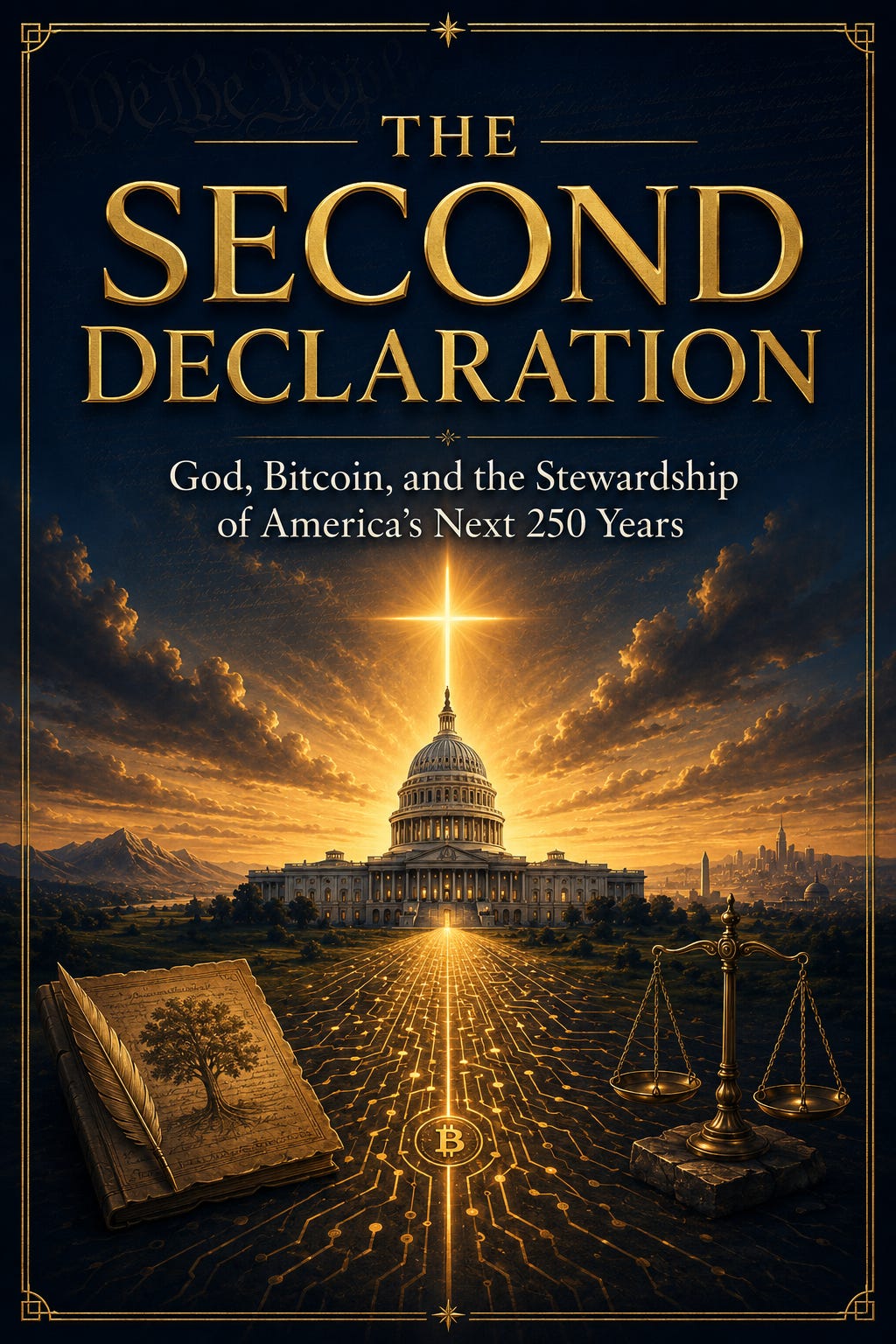
The paper said he had been paid. The market disagreed.
His boots were still wet from the march, and his coat had grown thin at the elbows. He had not joined the cause to become rich. No soldier in that army had. He wanted bread, powder, cloth, perhaps a little tobacco, and some assurance that the paper in his hand meant what the number printed on it claimed. The note bore authority. It carried the promise of a new nation fighting for liberty. Somewhere far from hunger, mud, and exhaustion, men in Congress had decided that these paper notes would help finance independence.
But promises face their truest test in the marketplace. When the soldier stepped toward the stall and unfolded the bill, the seller did not study it with patriotic sentiment. He studied it as a man who had children to feed and goods to replace. The ink was real. The number was real. The suffering behind it was real. Yet the bread did not become more abundant because Congress needed the paper to matter. The paper promised one thing. The market measured another. A man who had risked his life for liberty discovered that his wages could be betrayed without anyone reaching into his pocket.
That is one of the cruelest features of dishonest money. It can leave the number untouched while stealing the life inside it.
The phrase eventually entered American memory: not worth a Continental. Like many phrases born from pain, it survived because it condensed a whole education into a few words. The Founders did not learn to fear paper money from theory. They learned it through experience. They watched promises multiply while purchasing power disappeared. They saw how a government could appear to pay a man while quietly changing what payment meant.
The Revolution taught them that liberty could be threatened by more than armies, kings, or distant parliaments. It could also be threatened by a corrupted measure of value. A nation could declare rights from God, structure political power through a Constitution, and guard individuals through amendments, yet still endanger ordinary families if the money itself became unreliable. A bent scale does not need to announce itself as tyranny in order to do damage. Sometimes it arrives as policy. Sometimes it arrives as necessity. Sometimes it arrives as a promise printed on paper.
Hidden in the Constitution is a sentence many Americans pass over because it does not sound dramatic. It has no poetry, no trumpet, no rhetorical flourish. It sounds like law. But inside that legal sentence is a memory of betrayal, and perhaps one of the clearest windows into what the Founders believed about honest money. Article I, Section 10 declares that no state shall emit bills of credit or make anything but gold and silver coin a tender in payment of debts.
Read that slowly, and hear the scar tissue behind it.
The clause applied specifically to the states, and later generations would argue fiercely over federal power, banking, legal tender, and paper currency. But whatever debates followed, this much is unmistakable: the Founders did not treat money as morally neutral. They understood that the measure of value had to be protected from political convenience. They had seen what happened when promises outran reality, and they wrote restraint into the architecture of the republic.
The Founders did not restrain paper money because they lacked imagination. They restrained it because they had memory.
Modern people often assume progress means removing old restraints. The Founders knew better. A restraint born from wisdom is not backwardness. It is protection. A guardrail does not exist because travelers lack ambition. It exists because cliffs are real. The money clause is one of those guardrails, quietly placed inside the Constitution by men who had learned that the freedom to print can become the freedom to dilute.
Scripture had been warning about the same moral danger long before paper money existed.
Imagine a merchant in ancient Israel standing beside his stall as the market begins. Grain is stacked in rough measures nearby. The air carries dust, animal breath, warm bread, and the low sound of bargaining. A woman approaches with payment held carefully in her hand, thinking about the mouths waiting at home. The merchant greets her warmly. He has learned that kindness makes deceit easier to hide. His fingers move across the weights with practiced familiarity. One stone is chosen instead of another. One measure is set down with a confidence that discourages questions. The grain pours, the scale settles, the payment changes hands, and the woman leaves believing the transaction was fair.
Nothing appears wrong, which is why the sin works.
The merchant has not robbed her with force. He has not broken into her home or taken her purse. He has bent truth at the point of measurement. Not by much. Not enough to cause outrage. Just enough to move value quietly from her household to his. The customer smiles and leaves, unaware that reality shifted slightly against her during an ordinary exchange.
Leviticus commands honest scales, honest weights, honest ephahs, and honest hins. Proverbs says a false balance is an abomination to the Lord. Amos condemns those who make the measure small and the price great, trampling the needy while pretending to conduct ordinary commerce. The language is severe because the offense is not merely economic. A dishonest scale is a lie made visible. It teaches a community that measurement can be manipulated for advantage and still be called business.
The scale changed. The sin did not.
That is the bridge between the ancient marketplace and modern money. In the ancient world, the scale sat in front of the customer. In the modern world, the scale often hides inside monetary policy, debt expansion, legal tender laws, central bank balance sheets, and the slow erosion of purchasing power. The mechanism has changed, but the moral question remains. Is the measure honest? Can the person who labored today store that labor for tomorrow without having the meaning of the unit quietly altered?
A retiree feels the question before she can explain it.
The bank statement lies on her kitchen table beside a pill organizer, a grocery list, and a photograph of a husband who used to handle the repairs himself. There is also an estimate from the plumber, folded once and placed under a magnet because she does not want to look at it again until she has to. The number in the account is not nothing. She worked for it. They saved for it. They said no to things when saying yes would have been easier. They believed prudence would carry dignity into old age.
But the life inside the number has thinned.
Groceries cost more. Insurance costs more. Repairs cost more. Medicine costs more. The statement still speaks in numbers, but the world answers in prices. She has not been robbed in the way people normally imagine robbery. No window was broken. No thief entered at night. No hand snatched bills from her purse. Yet something was taken. The stored fruit of labor lost weight while sitting still.
That is why honest money matters.
Money is not merely a tool for buying things. Money is labor’s bridge into the future. When a person works today and saves part of that work for tomorrow, money is supposed to carry value across time. If the bridge weakens, the worker suffers. If the unit changes, the saver pays. If the measure bends, the inheritance shrinks before it ever reaches the next generation.
Sound money protects honest labor.
That sentence should not be controversial, yet it becomes controversial in any age that benefits from dishonest measurement. Every monetary system reveals who bears the cost when the scale moves. Those closest to new money usually adjust first. Those living on wages, savings, fixed income, or delayed payments adjust last. The poor, the elderly, the young family, the small business owner, and the person who trusted the currency with the fruit of years often discover the truth after prices have already moved.
Isaiah’s words land with painful relevance: your silver has become dross. The prophet was speaking to a morally compromised people, but the metaphor is monetary because the people understood diluted value. Silver mixed with impurity still looks like silver to the careless eye. Wine mixed with water still fills the cup. The name remains while the substance changes. A currency can keep its name while losing its meaning.
The Founders had seen enough to fear this. They knew paper could carry a promise, but not all promises carried weight. Gold and silver were not perfect, and no created thing deserves worship. But precious metals represented something governments could not produce by decree. They imposed friction. They resisted convenience. They reminded rulers that money should be discovered, mined, weighed, and disciplined by reality rather than summoned into existence by political need.
Article I, Section 10 is therefore not merely a legal clause. It is a hidden parchment of monetary memory. It reveals that the Founders understood something about money many modern citizens have forgotten. A free people must care not only who governs them, but what measures their labor. Liberty is weakened when the unit in which people save can be altered by authorities whose incentives do not match the needs of the saver.
This is where bitcoin enters the chapter, not as novelty, but as recognition.
The Founders could not have imagined the Bitcoin network. They could not have conceived of distributed nodes verifying a global ledger, miners securing blocks through energy and computation, or a fixed supply schedule enforced by consensus across borders. But they would have understood the instinct beneath it. Bitcoin is not the digital heir to gold because it shines. It is not the heir to silver because it has physical weight. Bitcoin echoes the sound-money instinct because it is scarce, verifiable, portable, divisible, and resistant to political manipulation.
Bitcoin is the network architecture. The money moving within it is bitcoin.
That distinction matters. The technology matters because it enforces the monetary rule. The money matters because the rule gives it scarcity. No king, legislature, central bank, or emergency committee can simply vote more bitcoin into existence because the treasury is strained, the debt is inconvenient, or the next election is approaching. The protocol does not respond to pressure the way human institutions do. It does not care who is in office. It does not flatter whoever holds power. It simply follows the rule.
That does not make bitcoin riskless. It does not make it salvation. It does not remove volatility, responsibility, custody challenges, or the need for wisdom. Jesus remains the only Savior. But bitcoin does ask a question that belongs directly inside the American tradition. Can money be structured so that its measure cannot be bent by political appetite?
The better question is not whether bitcoin is gold, but whether it is honest, because honesty is the moral center of money.
This brings us back to inheritance. The inheritance at stake in this chapter is purchasing power, the ability of labor to travel faithfully through time. A father who saves for his daughter is not merely storing numbers. He is trying to carry today’s sacrifice into tomorrow’s blessing. A mother who delays consumption is not merely managing a household. She is creating margin for a future she may not fully see. A grandfather who leaves something behind is hoping his work will not dissolve before it reaches the hands he loves.
Dishonest money weakens the bridge between generations until saving begins to feel less like stewardship and more like guessing. It teaches households that prudence is not enough if the scale itself can be changed. It trains families to hurry, speculate, consume, and distrust tomorrow because the measure that should have carried labor forward keeps shifting beneath their feet.
This is why the Biblical prophets sound so fierce when speaking about dishonest measurement. They understood that a corrupted scale does not remain confined to commerce. It reshapes a people’s moral imagination. It rewards manipulation. It punishes trust. It trains the powerful to hide extraction beneath ordinary language. Eventually, a people can become so accustomed to the bent scale that they stop calling it bent.
The soldier holding Continental Currency had to learn the lesson in the marketplace. The merchant’s customer in ancient Israel may never have known the measure was false. The retiree at her kitchen table feels the truth in the gap between the number and the life it can buy. Each scene asks the same question in a different century.
Who controls the measure?
The Founders tried to answer that question with memory. Scripture answers it with moral clarity. Bitcoin answers it with architecture. The Christian must answer it with stewardship.
We should not speak about money as though it were outside the Lordship of Jesus. Money measures labor, enables generosity, carries inheritance, reveals trust, and shapes households. It can serve love or disguise exploitation. It can bless the poor or burden them. It can tell the truth or conceal a lie. The God who commands honest scales is not indifferent to the systems through which value moves.
A nation that forgets honest money will eventually ask dishonest things of its people. It will ask savers to absorb dilution, workers to run faster to stay even, future generations to inherit obligations they did not choose, and families to trust a measure that keeps changing while calling the change normal. That is not merely a financial problem. It is a stewardship problem.
The Founders remembered the Continental. They remembered what happens when paper promises outrun reality. They remembered that a republic built for liberty needed money that could discipline power rather than serve it. Their memory became law, even if later generations would find ways to move beyond its restraint.
The question is whether memory will become restraint again.
Because once the value of what we own can be quietly taken, ownership itself begins to change. A man may hold the account, possess the title, and keep the number, yet discover that something essential has moved beyond his control. That is where our story turns next: from honest money to the question of custody, from what we own to whether we truly possess it.
Kingdom Principle 👑
Honest money protects honest labor.
God delights in truthful measurement because He cares about the people whose lives are measured through it. When money is dishonest, labor is weakened, savings are diluted, and inheritance is quietly diminished. Faithful stewardship requires caring about the scale.
Prayer 🙏
Heavenly Father, thank You for being a God of truth, justice, and honest measurement. Teach us to see money not merely as numbers, but as the stored fruit of labor, sacrifice, and responsibility.
Give us wisdom to recognize dishonest scales in every form. Help us protect what You have entrusted, not out of fear or greed, but out of faithfulness. May our work, saving, giving, and inheritance reflect Your character.
Guide our households toward truth, humility, and wise stewardship. Let us honor honest labor, defend honest measurement, and point every financial decision toward the Kingdom of Jesus Christ.
In Jesus’ name, Amen. 🙏📖⚖️₿🕊️👑